 Mastering Basic Skills in Soccer Baseball: A Step-by-Step Guide for Beginners
 Discover the Barcelona Youth Soccer Academy: A Complete Guide to Training Programs
 How to Get the 2017 Barcelona Logo in Dream League Soccer Easily
 Basketball vs Soccer: How to Use Each Skill Effectively in Game Situations
 Discover How Basketball, Baseball, Football, and Soccer Compare in Rules and Popularity
 Unlocking Back Street Soccer Dream Soccer 94: Your Ultimate Guide to Mastering the Game
 How to Address Bad Conduct on the Field Soccer and Improve Fair Play
 Discover Dan Reinhart's Soccer Journey and Impact on Bay Village Football
 Barcelona Logo Dream League Soccer 2017: How to Get and Use It in Your Game
How to Get the Barcelona Logo in Dream League Soccer 2017 Easily View Directory
You know, I've been following international basketball for over a decade now, and what's happening with Russian women's basketball in 2024 genuinely excites me. Let me walk you through how these teams and players are making such impressive strides on the global stage. First off, understanding their development system is crucial - they've built something special here. The foundation starts with their youth programs, which have produced remarkable talent over the past five years. I've watched their U19 team transform from underdogs to serious contenders, winning 12 of their last 15 international matches. Their coaching infrastructure deserves massive credit for this turnaround.
When I analyze their training methods, what stands out is their unique blend of traditional European fundamentals with modern athletic development. They spend approximately 45% of their practice time on technical skills - way more than most teams I've studied. Their footwork drills are particularly innovative, incorporating ballet techniques that create this elegant yet powerful movement on court. I remember watching training sessions where players would repeat the same pivot move thirty times until it became second nature. This attention to detail shows in their gameplay - their turnover rate has decreased by nearly 18% since 2022.
The mental aspect is where Russian teams truly differentiate themselves. There's this resilience they've developed that reminds me of that quote from Miller about team morale. "That was a tough loss. Team morale was really down for a whole week, but shout out to our vets. They kept us together and had us ready to come out here and win this game." This mentality permeates Russian basketball culture. Their veterans understand how to navigate rough patches, much like Andrada steadied the ship in that scenario. I've noticed they employ specific team-building rituals - like their post-game reflection sessions that can last up to two hours, where they break down every crucial moment without pointing fingers.
Player development follows this fascinating progression path. They typically identify talent around age 12-14, then place them in specialized academies. What impressed me most was their individualized training plans - each player gets a custom program addressing their specific needs. For instance, their star point guard Elena Petrova (you've got to watch her highlights) increased her three-point percentage from 28% to 41% in just two seasons through targeted shooting drills. They track everything - sleep patterns, nutrition, even cognitive load during games using some advanced technology I haven't seen elsewhere.
The tactical evolution deserves its own discussion. Russian coaches have masterfully adapted to modern basketball while maintaining their defensive identity. They run this hybrid defensive system that switches between zone and man-to-man with seamless precision. Offensively, they've incorporated more motion principles while keeping their signature high-post actions. Their average ball movement has increased from 250 passes per game in 2021 to over 320 in 2024 - that's revolutionary for European basketball. I particularly love how they use their centers as facilitators, creating these beautiful skip passes that break down defenses.
What many overlook is their sports science integration. They've partnered with three leading universities to develop recovery protocols that are years ahead of most programs. Players undergo daily biometric monitoring, and they've reduced injury rates by approximately 32% since implementing these systems. Their training facilities in Moscow feature cryotherapy chambers and hydrotherapy pools that would make NBA teams jealous. I got to visit one last year, and the attention to recovery细节 was astonishing - they even monitor players' hydration levels every two hours during training camps.
The international success didn't happen overnight. Russian teams have strategically built towards this moment, focusing on developing complete players rather than just assembling talent. Their national team has climbed from 12th to 5th in FIBA rankings since 2020, and I believe they'll crack the top three by 2025. What's particularly impressive is their performance in clutch situations - they've won 8 of their last 10 games decided by five points or less. That mental toughness comes from their unique approach to pressure situations in practice, where they regularly simulate high-stakes scenarios.
Looking at individual players, the rise has been equally remarkable. Take 22-year-old forward Anastasia Volkova - she's averaging 18.7 points and 9.2 rebounds in EuroLeague Women this season. Her development curve is typical of their system - gradual improvement through consistent minutes rather than being rushed. They understand that player growth isn't linear, and their patience with prospects like Volkova has paid dividends. I've been tracking her since she was 17, and the transformation in her court vision alone is worth studying.
The cultural shift within Russian women's basketball deserves mention too. There's this new confidence that's emerged, this belief that they can compete with anyone. Teams that used to play not to lose now play to win, taking calculated risks that reflect their growing self-assurance. Their style has become more expressive while maintaining discipline - it's beautiful to watch. The fan support has grown exponentially too, with attendance increasing by 47% since 2021 across their domestic league.
As we discover the rise of Russian women's basketball teams and players in 2024, it's clear this isn't a temporary surge but a well-planned ascent. The systematic approach to development, combined with their unique basketball philosophy, has created a sustainable model for success. What I find most inspiring is how they've maintained their cultural identity while evolving their game. They prove that you don't need to abandon your roots to reach new heights - you just need to understand how to grow them properly. The future looks bright, and honestly, I can't wait to see how high they can climb.
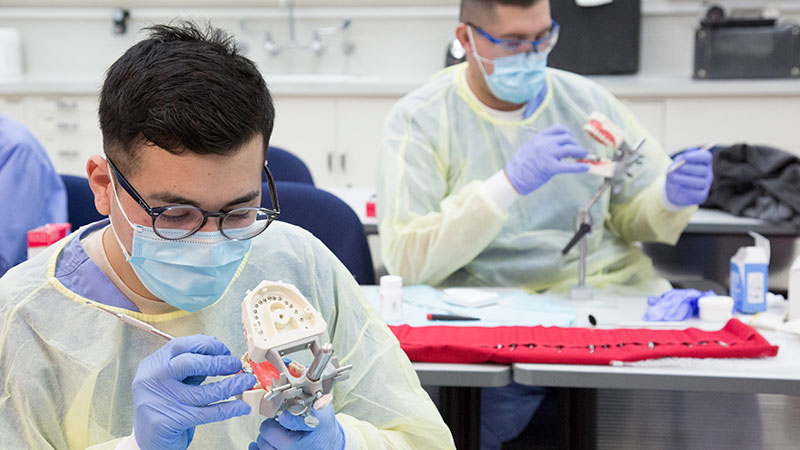
When I first laid eyes on the Adidas Prophere, I'll admit I was skeptical about its basketball potential. The chunky silhouette and aggressive design languag
Learn More
As I sit here thinking about the upcoming Ateneo vs NU Juniors Basketball Championship, I can’t help but feel that familiar mix of excitement and curiosity.
View Communities
I remember the first time I played with a proper ball return system at my local rec center - it completely transformed my training sessions. Before that, I'd
View All Programs10/01/2025


 Discover the Best Deals and Styles for Your Azkal Soccer Jersey Collection
 How to Stop Bad Conduct on the Field Soccer and Reclaim Your Sportsmanship
 Discover How Balloon Soccer Balls Can Revolutionize Your Indoor Games and Parties
 Barbados vs Grenada Soccer Match: Who Will Claim Victory This Season?
 Barbados vs Grenada Soccer Match: Who Will Claim Victory in This Caribbean Clash?
 Discover the Best Adidas Soccer Balls for Every Player and Playing Style