 Mastering Basic Skills in Soccer Baseball: A Step-by-Step Guide for Beginners
 Discover the Barcelona Youth Soccer Academy: A Complete Guide to Training Programs
 How to Get the 2017 Barcelona Logo in Dream League Soccer Easily
 Basketball vs Soccer: How to Use Each Skill Effectively in Game Situations
 Discover How Basketball, Baseball, Football, and Soccer Compare in Rules and Popularity
 Unlocking Back Street Soccer Dream Soccer 94: Your Ultimate Guide to Mastering the Game
 How to Address Bad Conduct on the Field Soccer and Improve Fair Play
 Discover Dan Reinhart's Soccer Journey and Impact on Bay Village Football
 Barcelona Logo Dream League Soccer 2017: How to Get and Use It in Your Game
How to Get the Barcelona Logo in Dream League Soccer 2017 Easily View Directory
I remember the first time I walked into a proper sports gym - the energy hit me like a physical force. The clanging of weights, the rhythmic pounding of treadmill belts, and that distinct smell of sweat and determination created an atmosphere I instantly fell in love with. Finding the right gym isn't just about location or price; it's about finding your fitness home, much like how professional athletes need the right environment to thrive. Just last week, I was reading about basketball coach Tim Cone's comments regarding team preparation, where he noted, "We all know how strong and how deep that team is. It's good preparation for us. But Ginebra is a very different team as Rain or Shine." This perfectly illustrates why your choice of gym matters - different facilities serve different purposes, just as different teams require different preparation strategies.
When I started my fitness journey five years ago, I made the classic mistake of joining the flashiest gym in town without considering whether it matched my actual needs. The place had three swimming pools and five different types of yoga studios, but only two squat racks that were always occupied. I learned the hard way that what looks impressive on a tour might not serve your specific goals. According to industry data I recently came across, approximately 67% of gym members don't use their membership regularly, and I suspect a big reason is poor facility-goal alignment. If you're serious about strength training, you need adequate free weights and power racks. If you're training for a marathon, you need reliable cardio equipment and possibly a track nearby. The "best" gym completely depends on what you're trying to achieve.
Let me share a comparison from my own experience. Last year, I tried two very different gyms within three months. The first was a massive chain facility with over 300 pieces of equipment, including 15 treadmills and various fancy machines I'd never even seen before. The second was a smaller, locally-owned strength training gym with just the essentials - squat racks, benches, and platforms. For my goal of building strength, the smaller gym was infinitely better despite having only about 40% of the equipment variety. The community was more focused, the trainers more knowledgeable about proper form, and I never had to wait for equipment. This reminds me of how different sports teams require different training environments - a basketball team wouldn't prepare for the season the same way a swimming team would, even though both are athletic pursuits.
The financial aspect is something many people overlook in their initial excitement. I've found that the average monthly cost for a decent gym in most urban areas ranges from $40 to $80, with premium facilities charging up to $200 monthly. But here's what I wish someone had told me earlier: the cheapest option often becomes the most expensive when you factor in hidden costs like initiation fees, annual maintenance charges, and cancellation penalties. One gym I joined had a seemingly reasonable $50 monthly fee but required a 12-month contract with a $150 cancellation fee - a detail they conveniently mentioned only after I'd signed the preliminary paperwork. Always ask about the total annual cost rather than just the monthly payment.
Location convenience is another factor that dramatically impacts consistency. Research from the American Council on Exercise suggests that people are 70% more likely to maintain their workout routine if their gym is within 15 minutes of their home or workplace. I've tested this theory myself - when my gym was a 25-minute drive away, I averaged three visits weekly. After switching to a facility just eight minutes from my apartment, my attendance jumped to five or six sessions weekly. That extra 34 minutes of commuting time saved each visit adds up to nearly 15 hours monthly - time I now spend actually working out rather than traveling to workout.
The community aspect might sound fluffy, but it's genuinely transformative. I've noticed that the social environment of a gym can make or break your long-term commitment. Some people thrive in competitive, intense atmospheres where everyone is focused on personal records and serious training. Others prefer more social, supportive environments where members know each other and trainers remember your name. I fall somewhere in between - I need enough seriousness that I stay motivated, but enough warmth that I don't feel intimidated. The best way to gauge this is to visit potential gyms during the hours you'd normally workout. See if the members look like people you'd want to train alongside, and notice whether the staff seems engaged or just going through the motions.
Equipment quality and maintenance often separate adequate gyms from exceptional ones. During my gym-hopping phase, I developed a habit of checking certain details - the wear on weight plates, the smoothness of pulley systems, the maintenance logs for treadmills. A well-maintained gym might have older equipment that functions perfectly, while a flashy new facility might have poorly calibrated machines that could lead to injury. I once calculated that approximately 30% of the cable machines at a popular mid-range gym had significant friction or alignment issues that compromised workout quality. Don't be shy about testing equipment during your tour - any reputable gym will encourage it.
Specialized facilities can be game-changers depending on your sport. As a amateur boxer, I specifically sought out gyms with heavy bags, speed bags, and ring space. My current gym dedicates about 20% of its floor space to combat sports equipment, which is perfect for my needs but might be wasted space for someone focused on bodybuilding. Similarly, if you're into Olympic weightlifting, you need proper platforms and bumper plates. For CrossFit enthusiasts, you need space for dynamic movements and rigs for pull-ups and muscle-ups. The concept of specialized preparation applies here just as it does in professional sports - you wouldn't train for mountain climbing in a flat terrain gym, just as basketball teams prepare differently depending on their upcoming opponents.
Ultimately, finding your ideal sports gym requires honest self-assessment about your goals, preferences, and commitment level. I've learned through trial and error that I perform best in gyms that balance professional equipment with a welcoming atmosphere, that challenge me without intimidating me, and that are convenient enough that I don't talk myself out of going on tired days. The search might take a few weeks of visiting different options, but the investment pays off in long-term consistency and results. Your perfect gym is out there - it's just waiting for you to match your fitness ambitions with the right environment to achieve them.
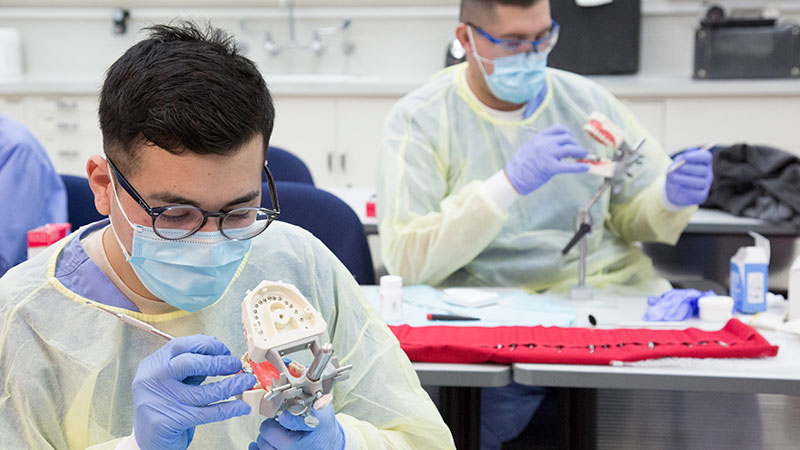
As I was scrolling through sports photography archives last week, I found myself reflecting on how the right image can completely transform a project. Whethe
Learn More
As I was packing for my upcoming AirAsia flight to Kuala Lumpur, I found myself staring at my boxing gloves and wondering about the airline's sports equipmen
View Communities
As I sit here thinking about performance vehicles, I can't help but reflect on how choosing the right sports car feels a lot like building a championship tea
View All Programs10/01/2025


 Discover the Best Deals and Styles for Your Azkal Soccer Jersey Collection
 How to Stop Bad Conduct on the Field Soccer and Reclaim Your Sportsmanship
 Discover How Balloon Soccer Balls Can Revolutionize Your Indoor Games and Parties
 Barbados vs Grenada Soccer Match: Who Will Claim Victory This Season?
 Barbados vs Grenada Soccer Match: Who Will Claim Victory in This Caribbean Clash?
 Discover the Best Adidas Soccer Balls for Every Player and Playing Style